
ZG Consciousness Symposium begins at Royal Global University
Time Stands Still when we Listen to Zubeen’s Voice: Dr Partha Sarathi Mahanta, IPS
GUWAHATI, November 16, 2026:
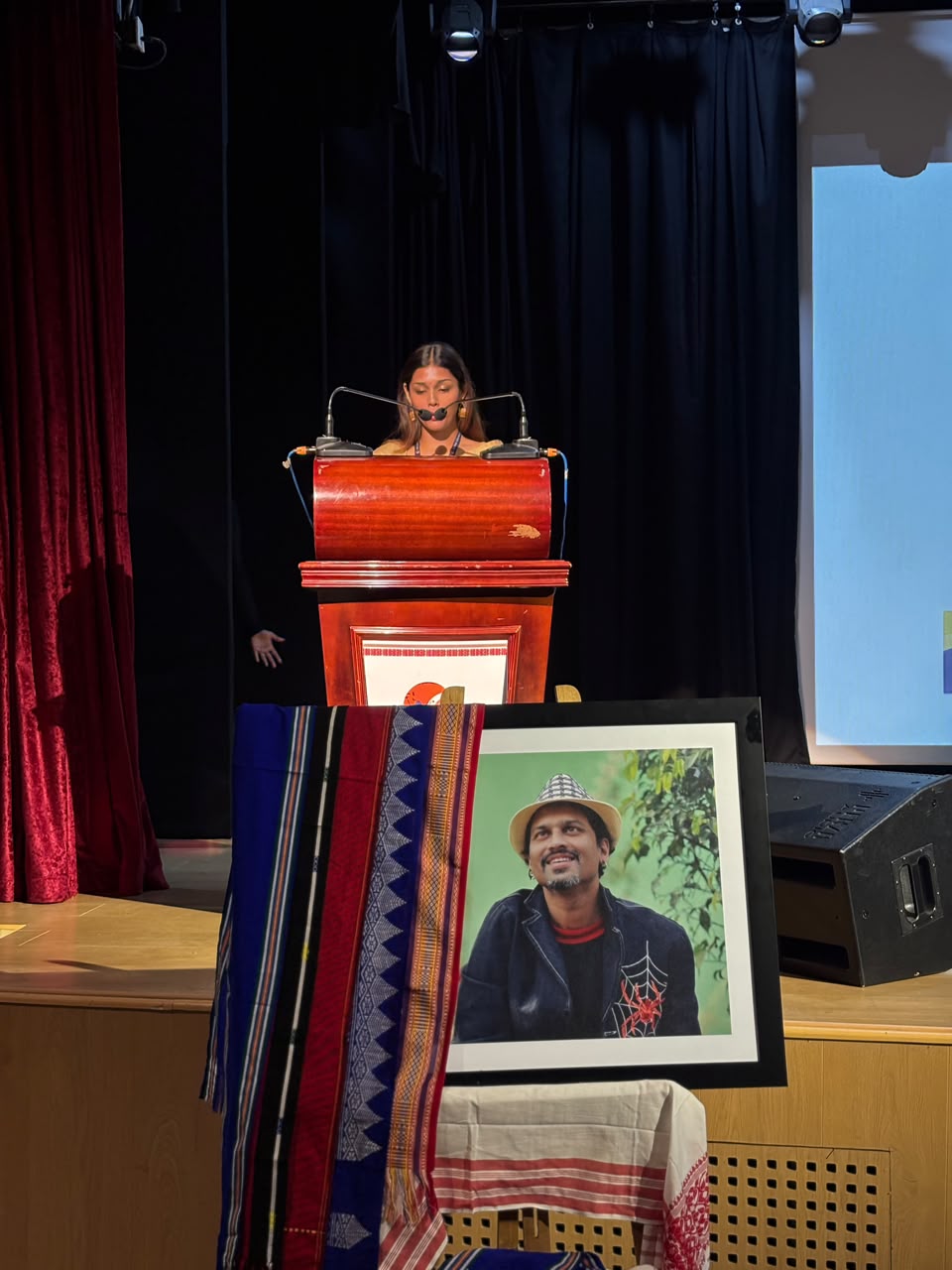
A two-day symposium titled ‘ZG Consciousness’ began today at The Assam Royal Global University (RGU),
providing an academic and cultural platform to reflect on the enduring legacy, socio-cultural impact and
philosophical vision of Zubeen Garg. The symposium seeks to explore how his artistic brilliance,
humanitarian spirit and deep-rooted love for Assam can inspire collective thought, fearlessness and social
responsibility.
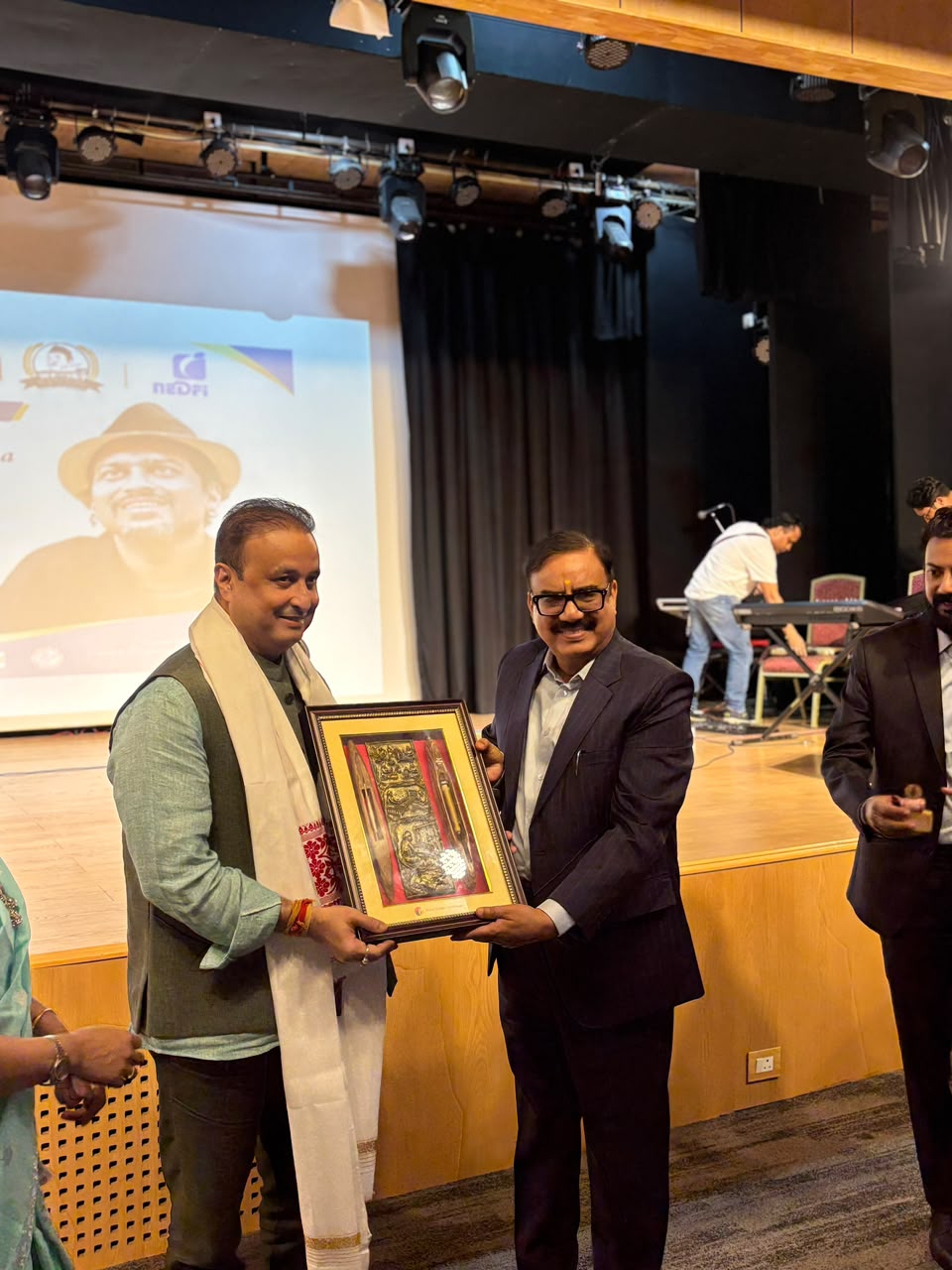
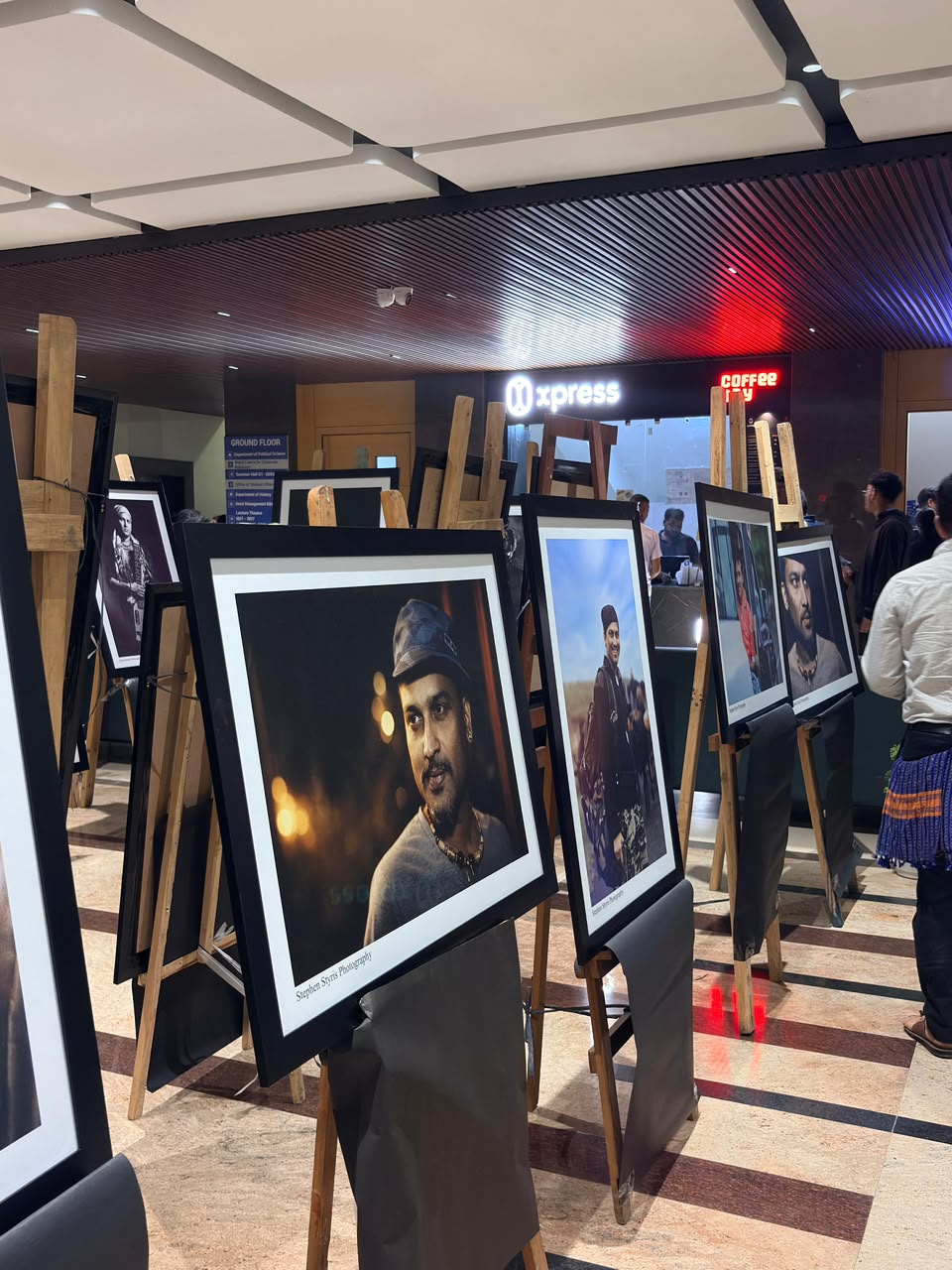
Alongside the symposium, a photography exhibition titled ‘Life Through the Lens: The Dimensions of Zubeen
Garg’ (অন্তহীন কথকতা), was inaugurated by Shri PVSLN Murty, Chairman and Managing Director of the North
Eastern Development Finance Corporation Ltd. (NEDFi).
Organised by the Dr Bhupen Hazarika Centre for Creativity and the Department of Geography and Geoinformatics
of RGU, in collaboration with the Zubeen Garg Foundation, the symposium is sponsored by the Central Silk
Board and the Central Muga Eri Research and Training Institute under the Ministry of Textiles.
Addressing the inaugural session, Dr Partha Sarathi Mahanta, IPS, Commissioner of Police, Guwahati, and
Advisor to the Zubeen Garg Foundation, said that Zubeen Garg's voice does not merely remain in people's
memories but lives on in their hearts and minds, making him immortal. “When we listen to that voice, time
seems to stand still. We have to understand Zubeen, who occupied a place that cannot be explained by
popularity or musical excellence alone. He could change his musical language without changing his cultural
identity. This, I believe, was one of his most significant contributions. He showed that an Assamese artist
could engage with the wider world while remaining deeply rooted to home. Zubeen travelled from generation to
generation,” he observed.
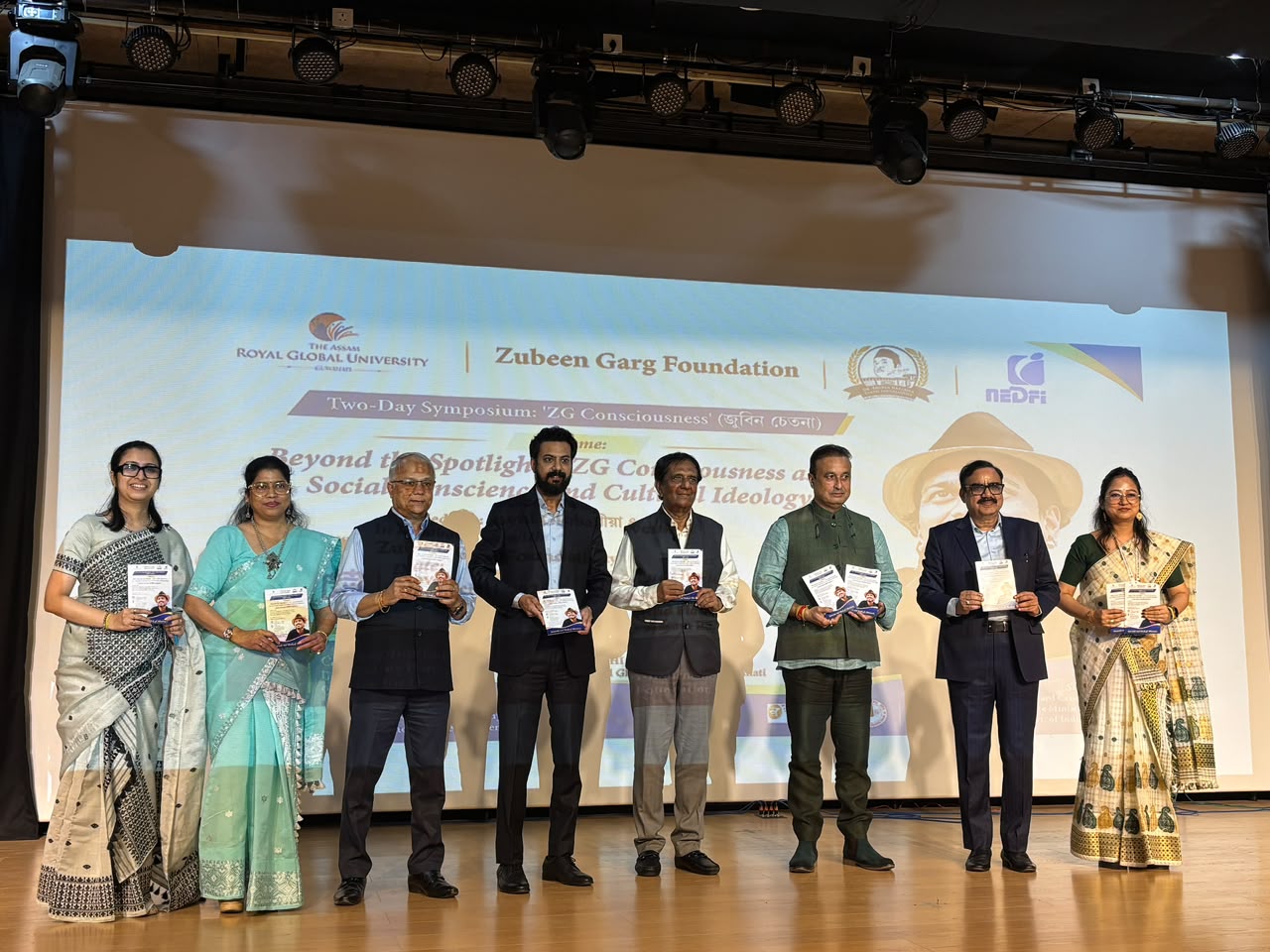
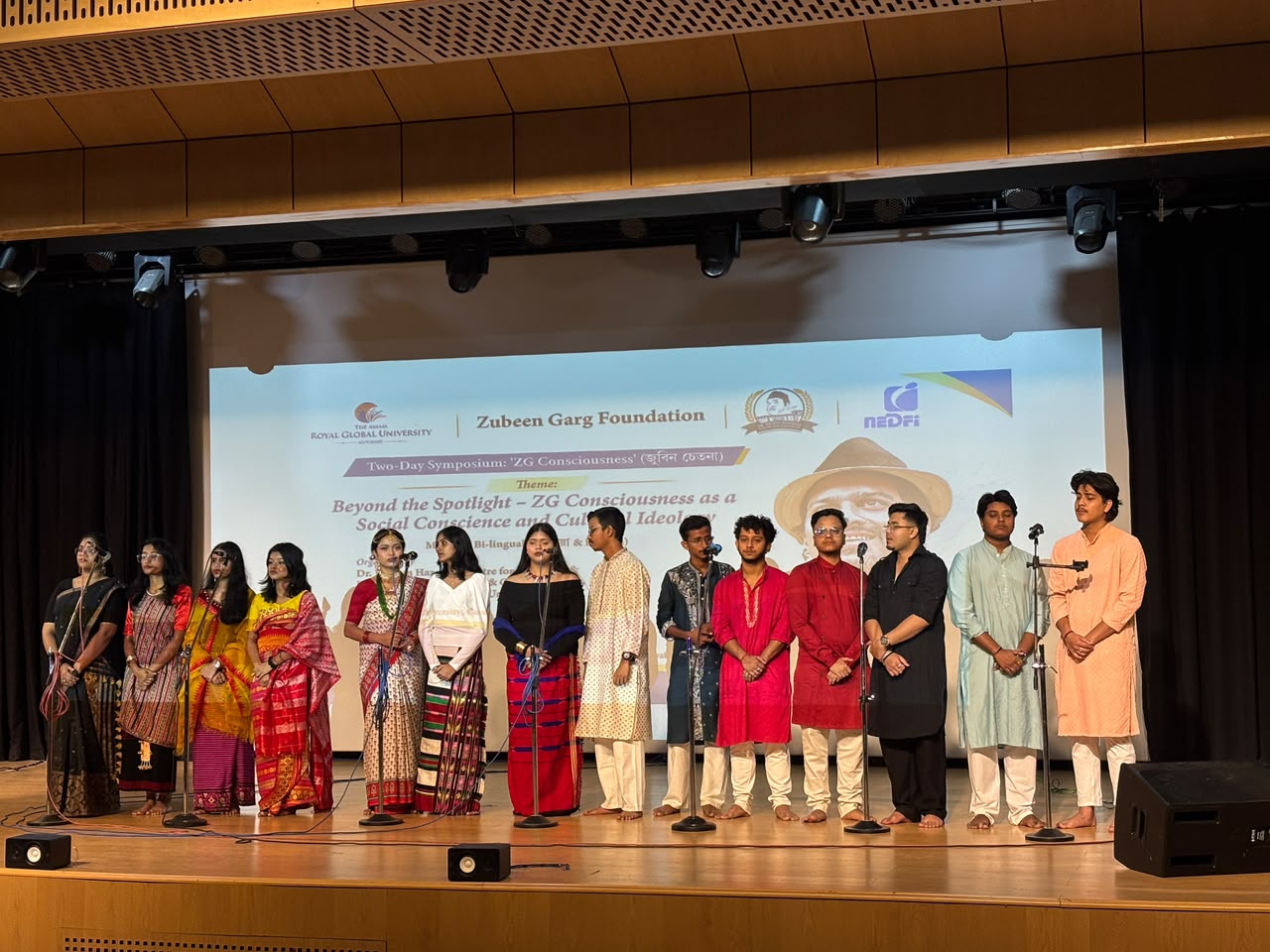
The inaugural session also featured opening remarks by Dr A.K. Pansari, Chancellor of RGU, while Prof.
Amarjyoti Choudhury, Chair, Dr Bhupen Hazarika Centre for Creativity delivered the special address. The
keynote address, titled ‘Understanding ZG Consciousness as an Enduring Social Conscience’, was delivered by
Dr Palme Borthakur of RGU, who highlighted the larger social and philosophical significance of Zubeen Garg’s
life, work and legacy.
Conceptualised and designed by Dr Palme Borthakur, the photography exhibition presents three distinct
dimensions of Zubeen Garg's life and personality. The first section, ‘Zubeen Garg – The Photographer’,
showcases 15 photographs captured by Zubeen himself, offering a glimpse into his perspective of the world.
The second section, ‘Zubeen Garg – Timeless Emotions: Through Anup Baruah’s Lens’, presents his personality
and artistic journey through the photographs of Anup Baruah. The third section, ‘Zubeen Garg’s Third Eye:
Through Stephen Styris’s Lens’, explores another visual dimension of the multifaceted artist.
The academic deliberations on the first day are structured around three technical sessions, bringing
together scholars, artists, journalists, cultural practitioners and representatives of the Zubeen Garg
Foundation to examine the diverse dimensions of ZG Consciousness.
The different technical sessions were: ‘Musical Philosophy, Cultural Integration and Cinema’, ‘Humanitarianism,
Environment and Society’, ‘Youth, Social Change and Media’, ‘Carrying the Legacy Forward: Future of ZG
Consciousness’. An Open Discussion Forum & Student Interactions – ‘Mon Jai’ (মন যায়) received enthusiastic
participation.
The symposium will continue on November 17, with further deliberations on the legacy of Zubeen Garg and its
relevance to contemporary society.


