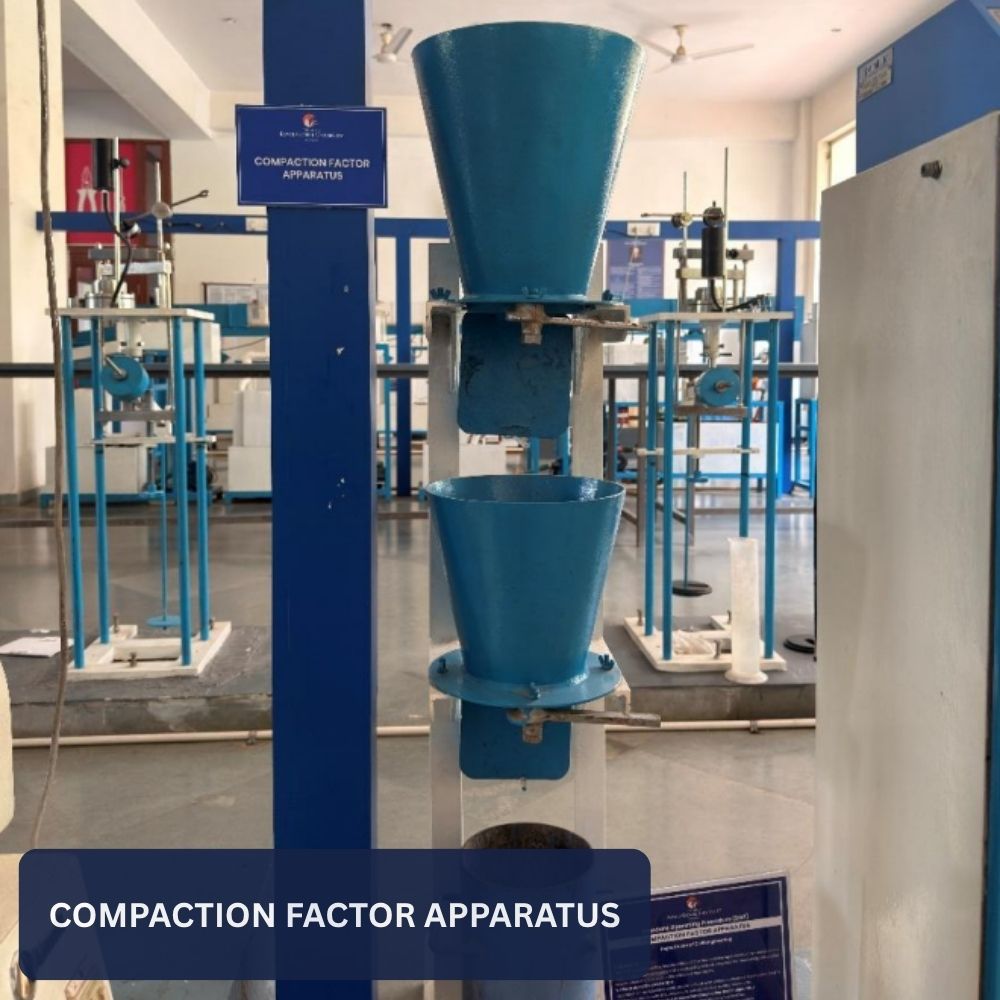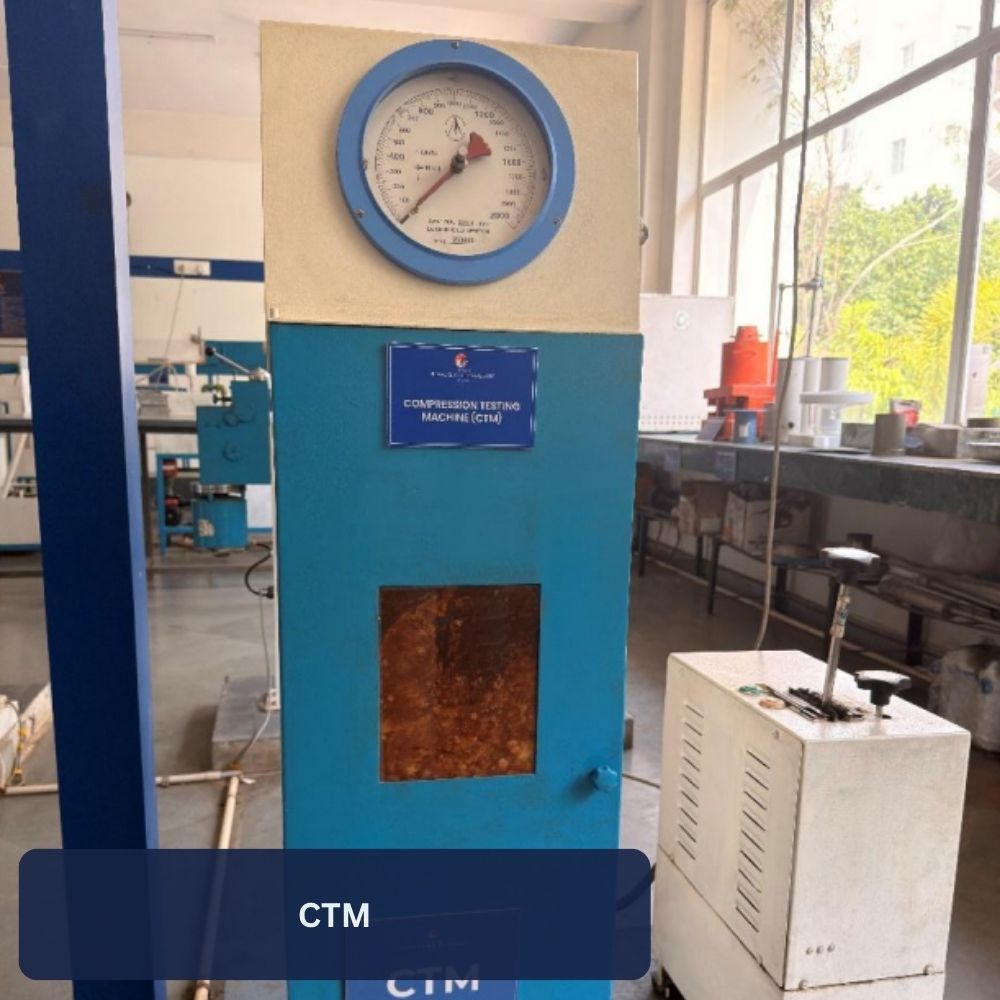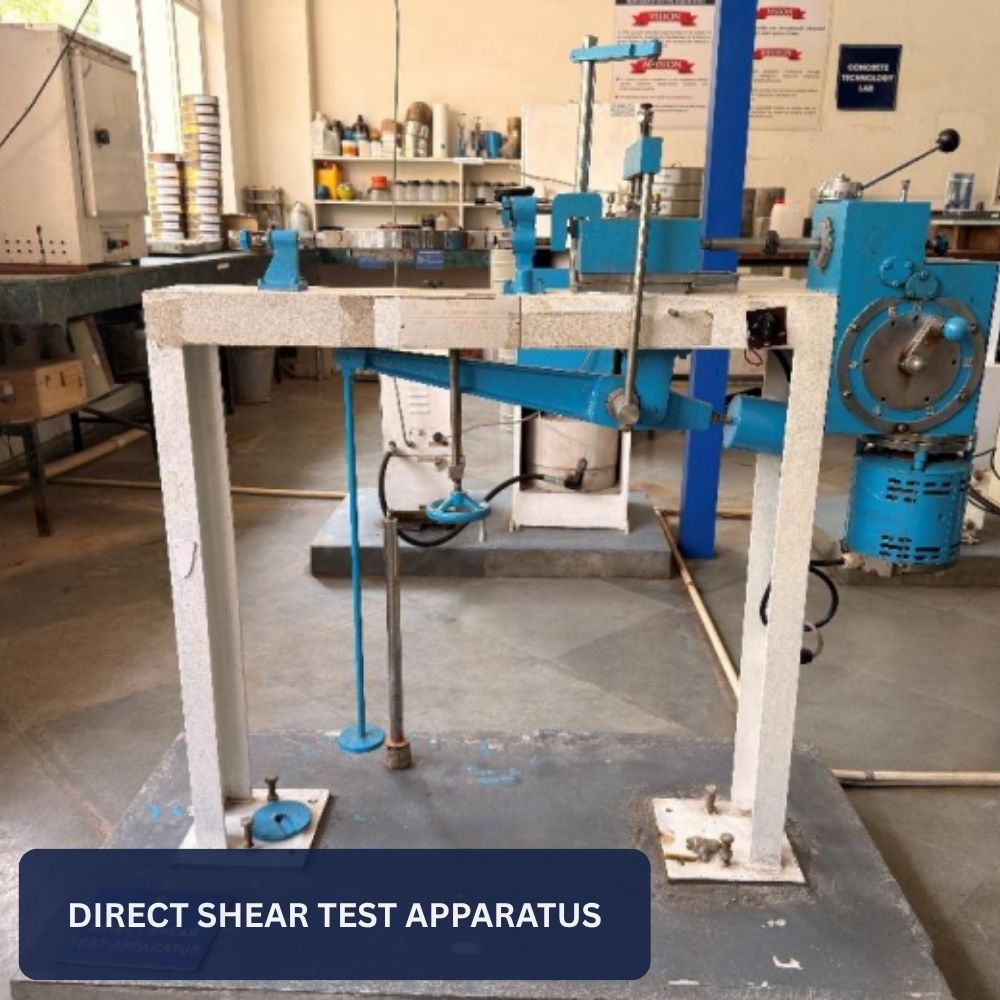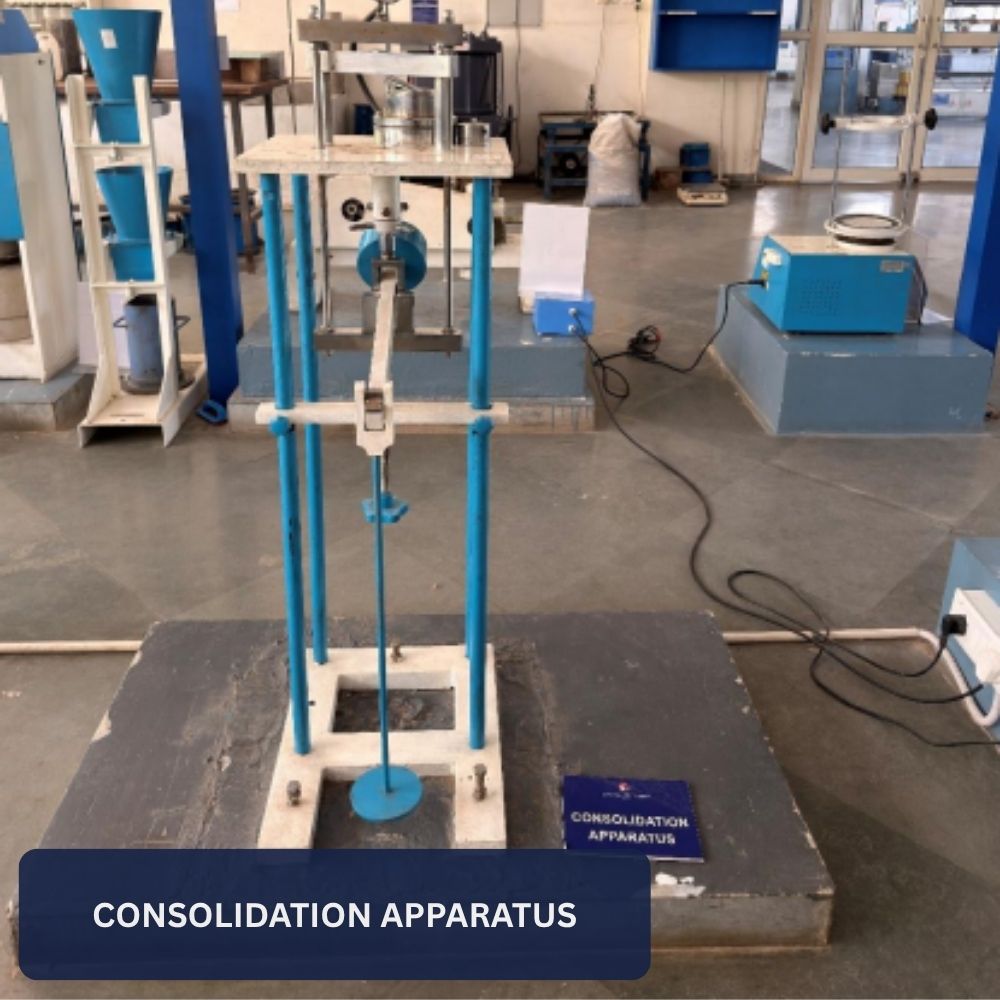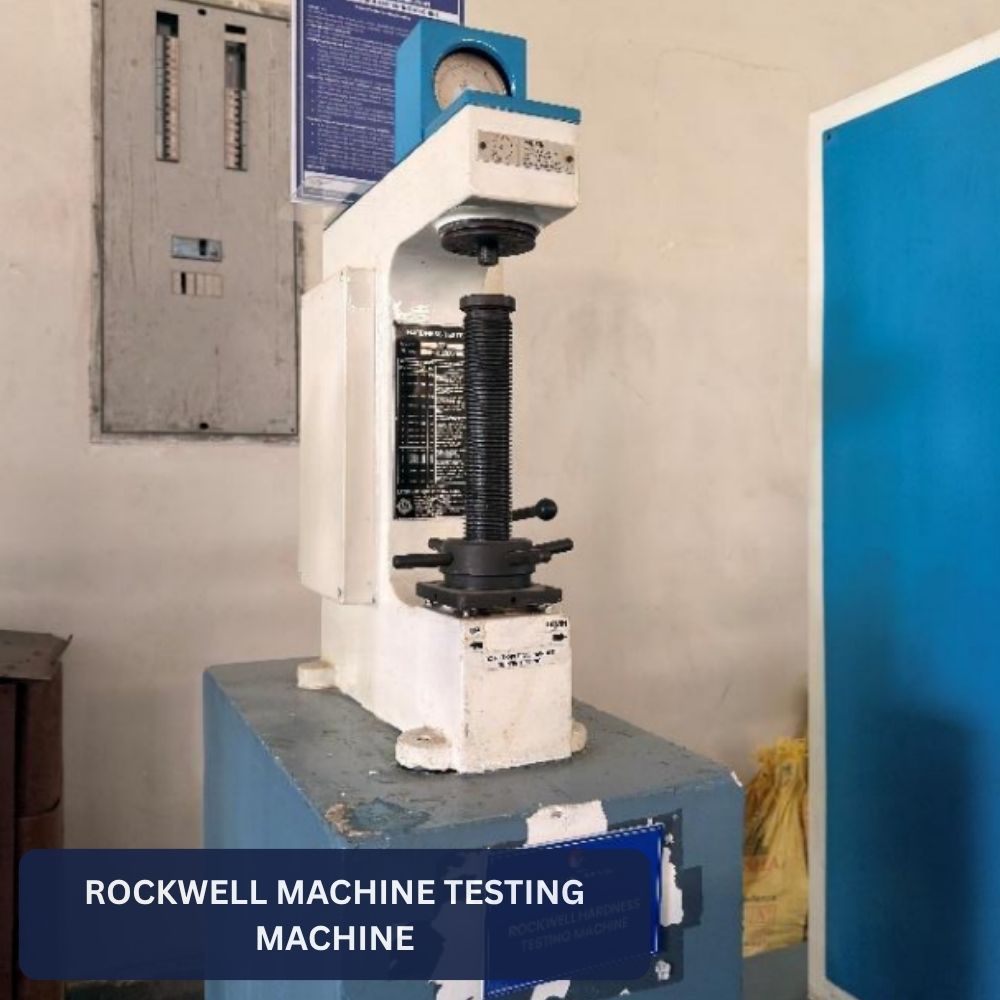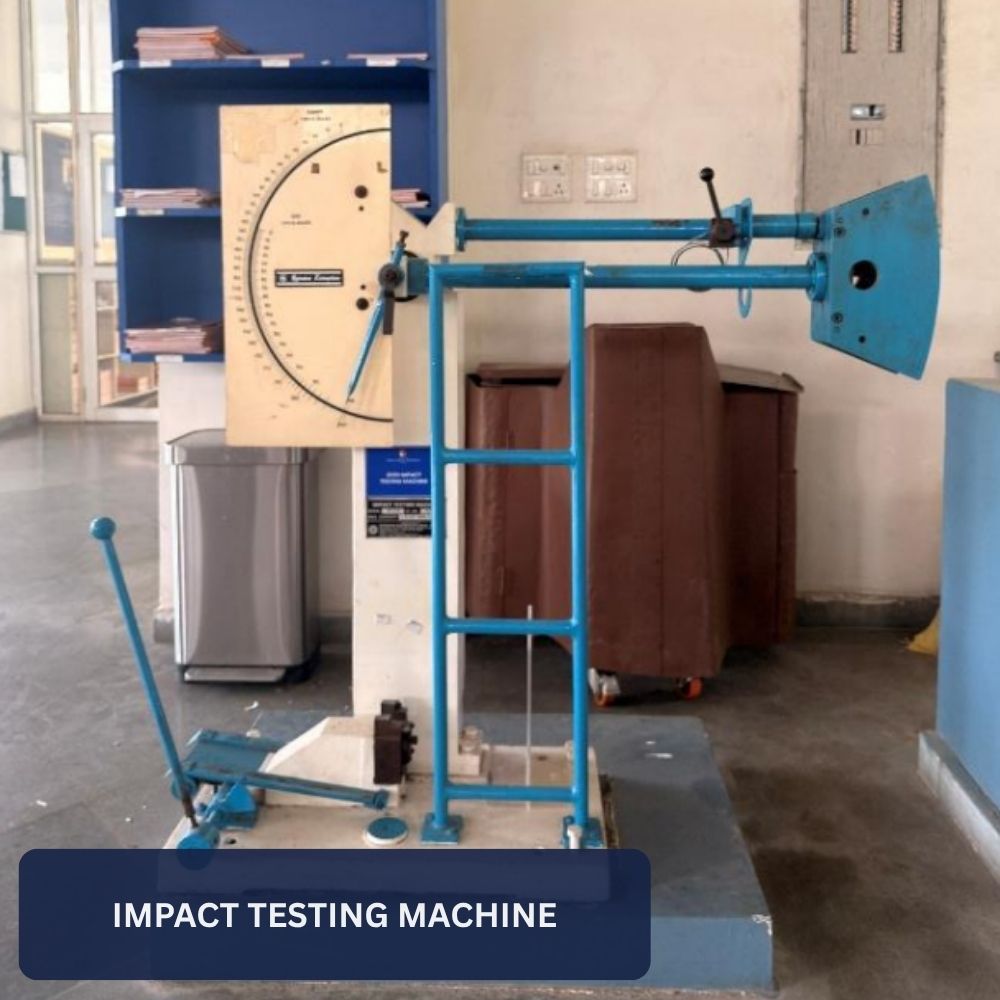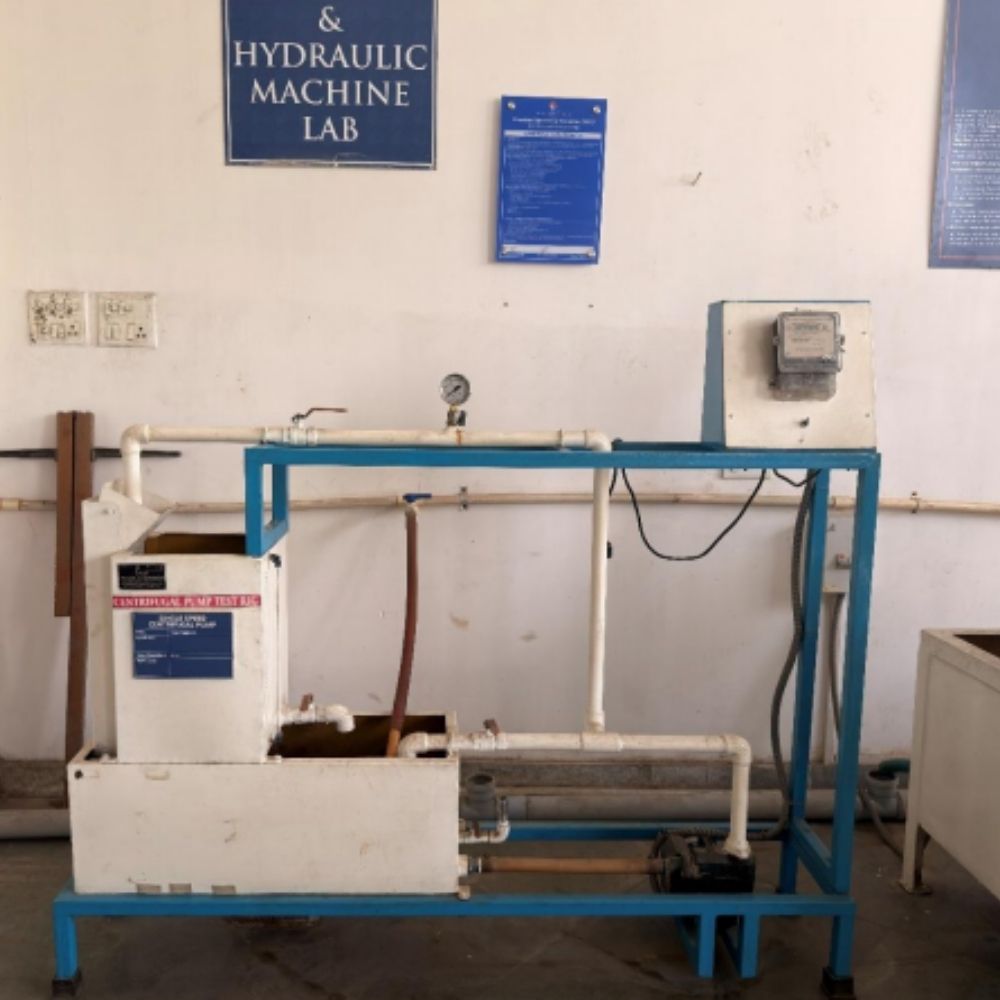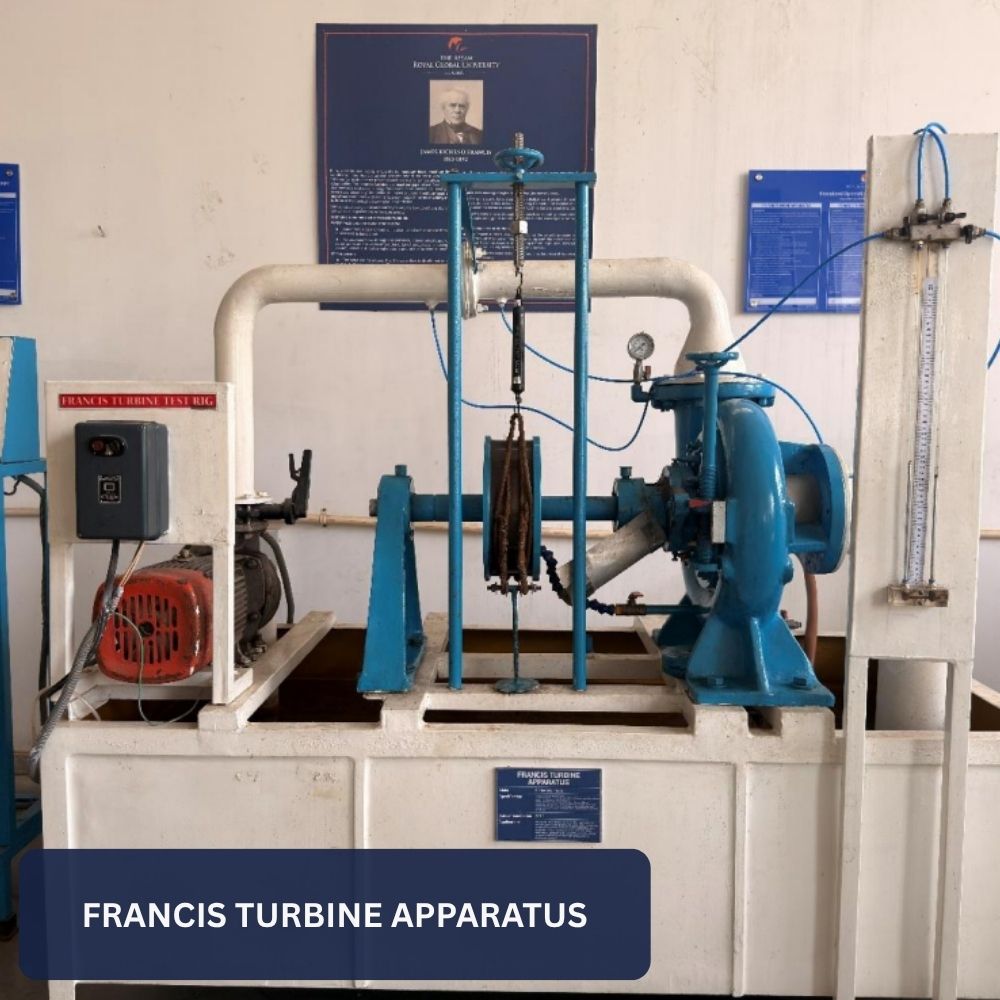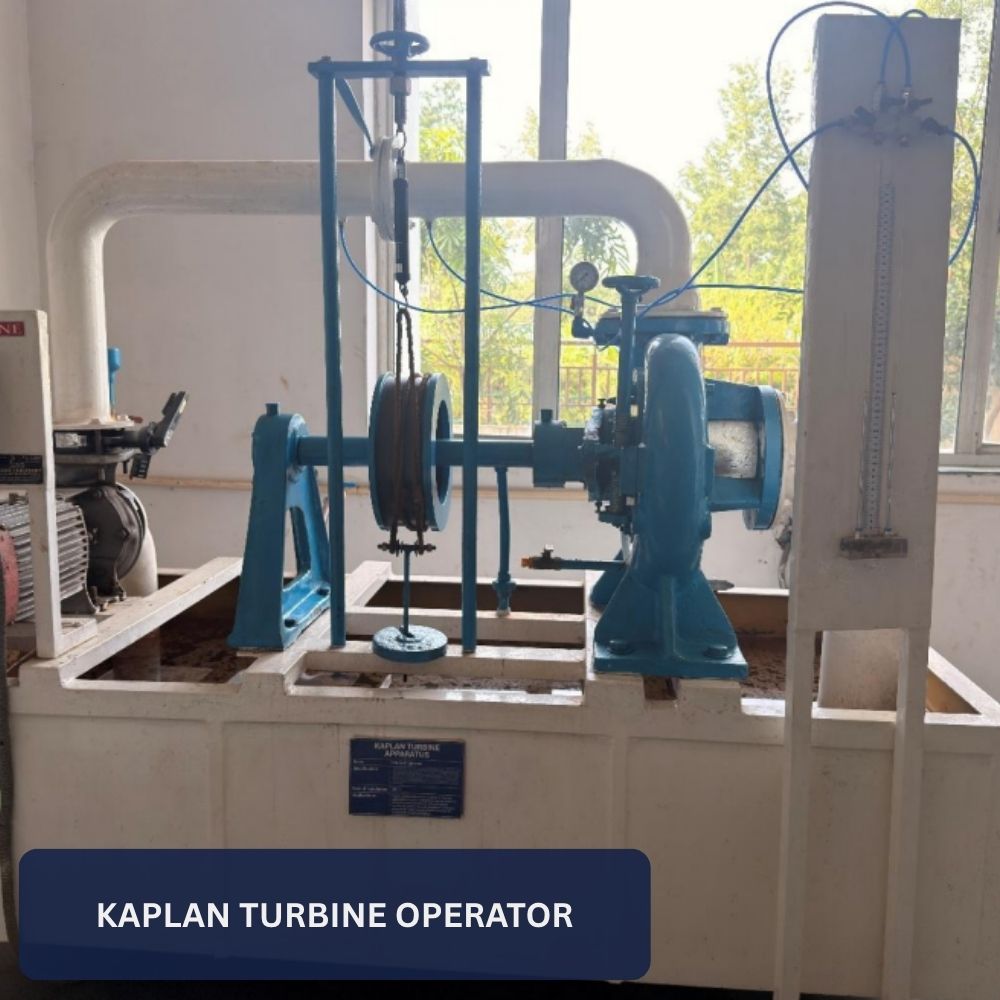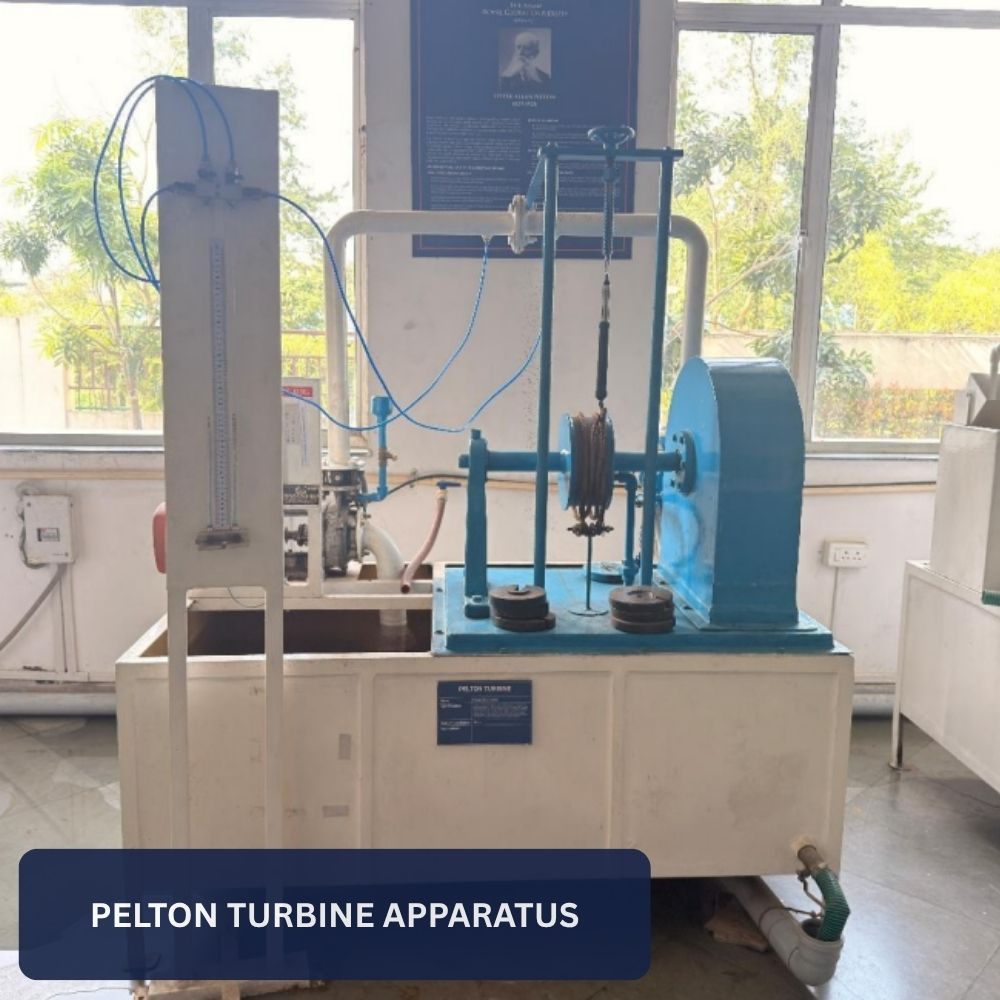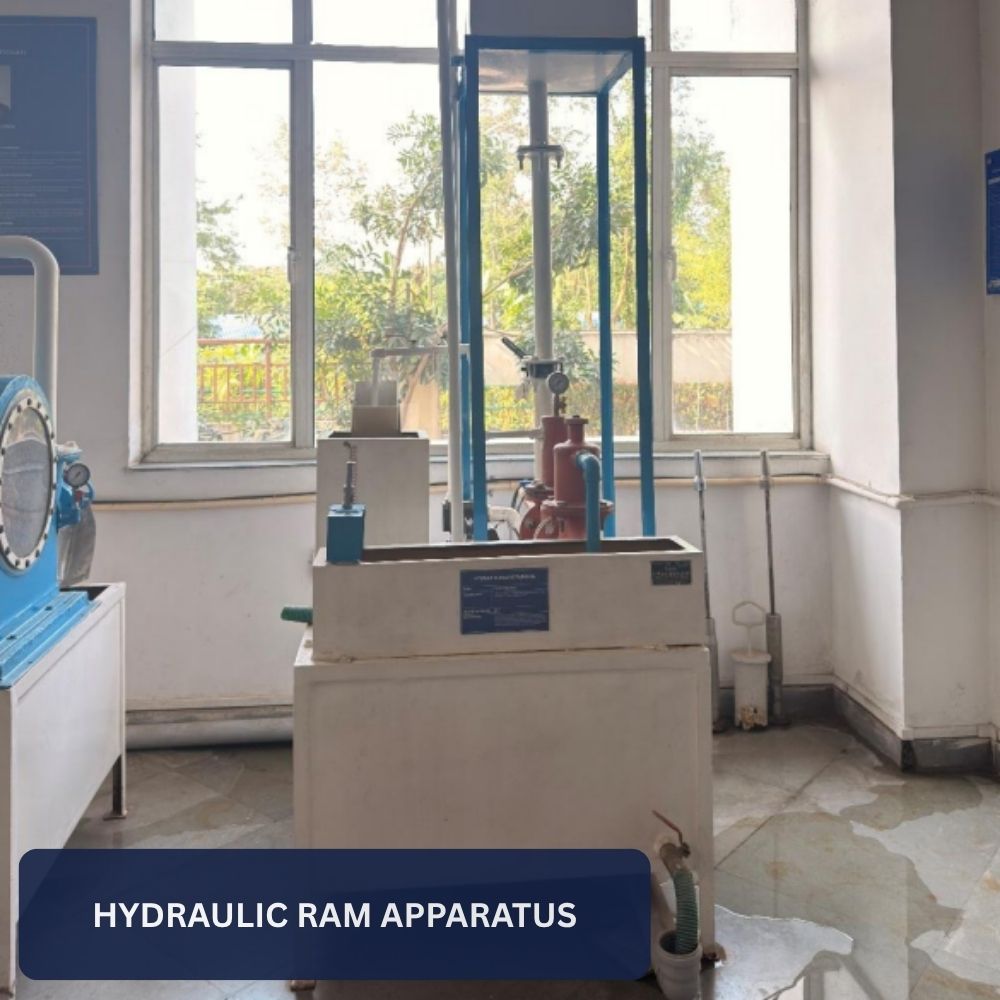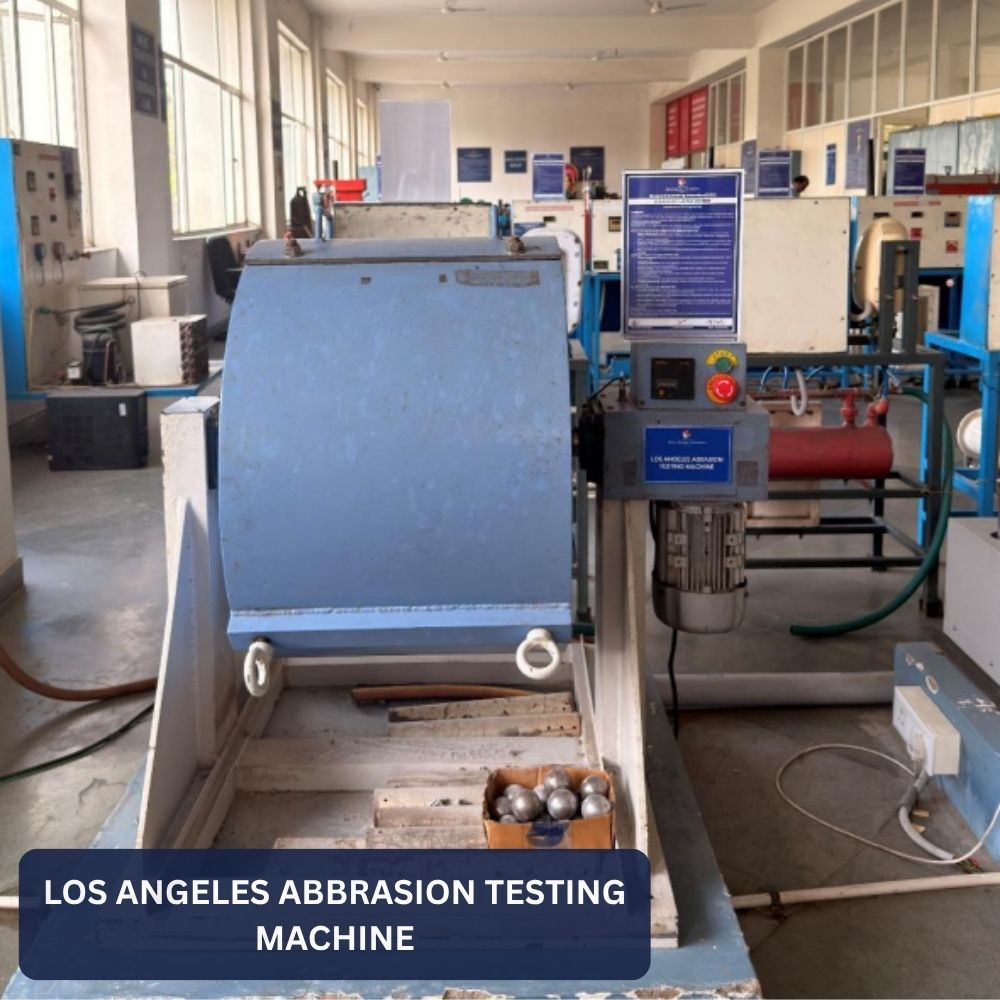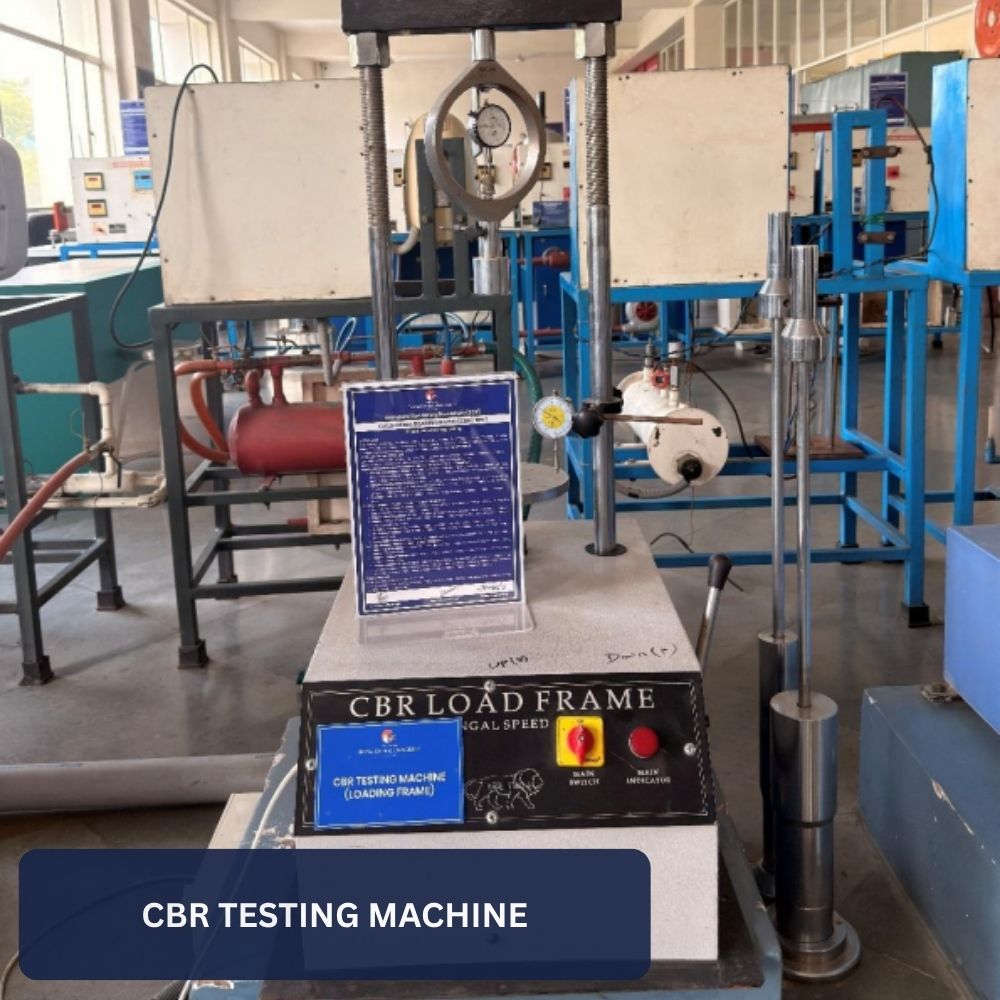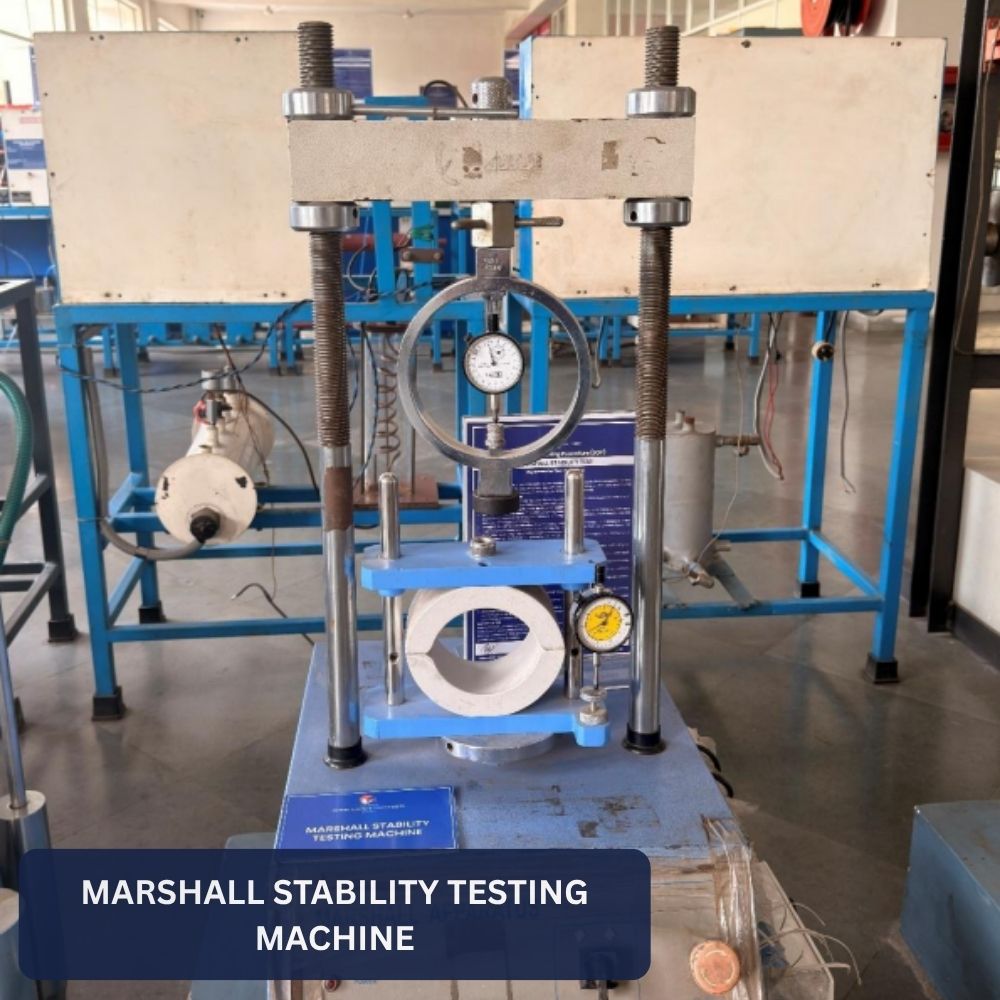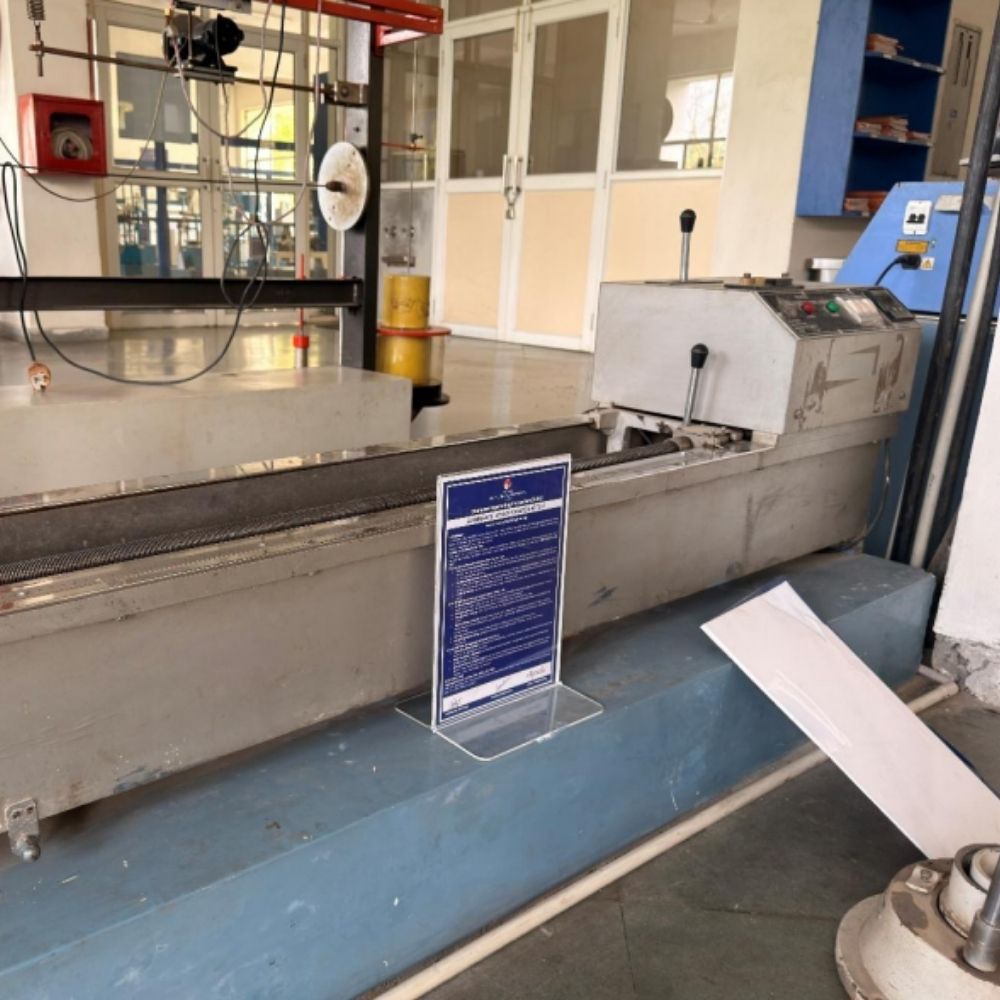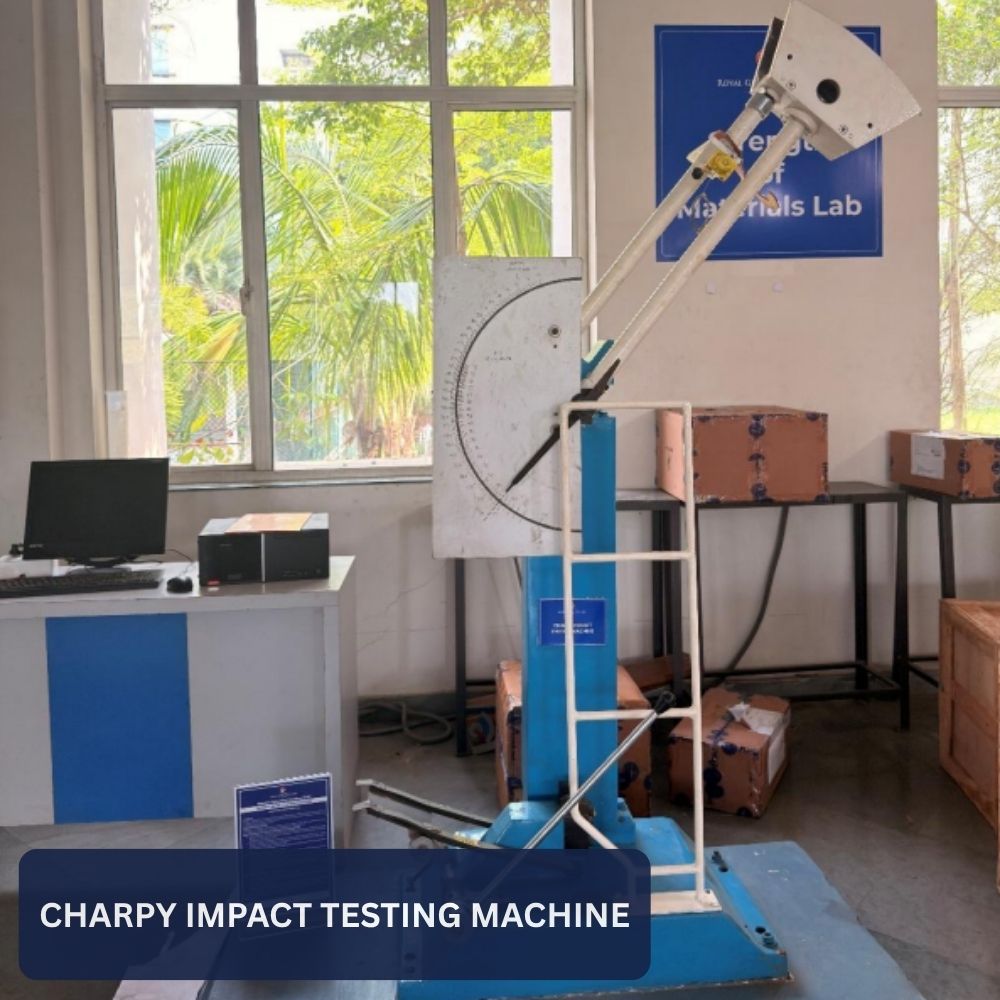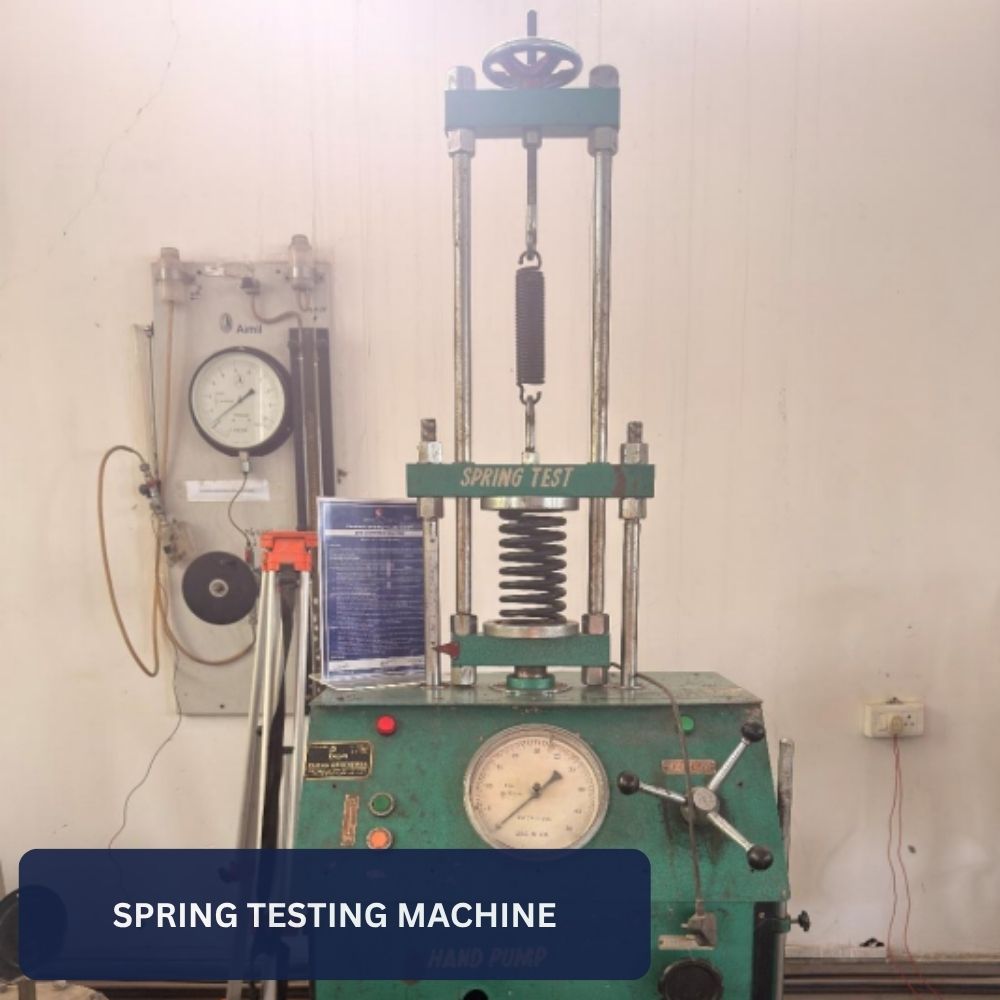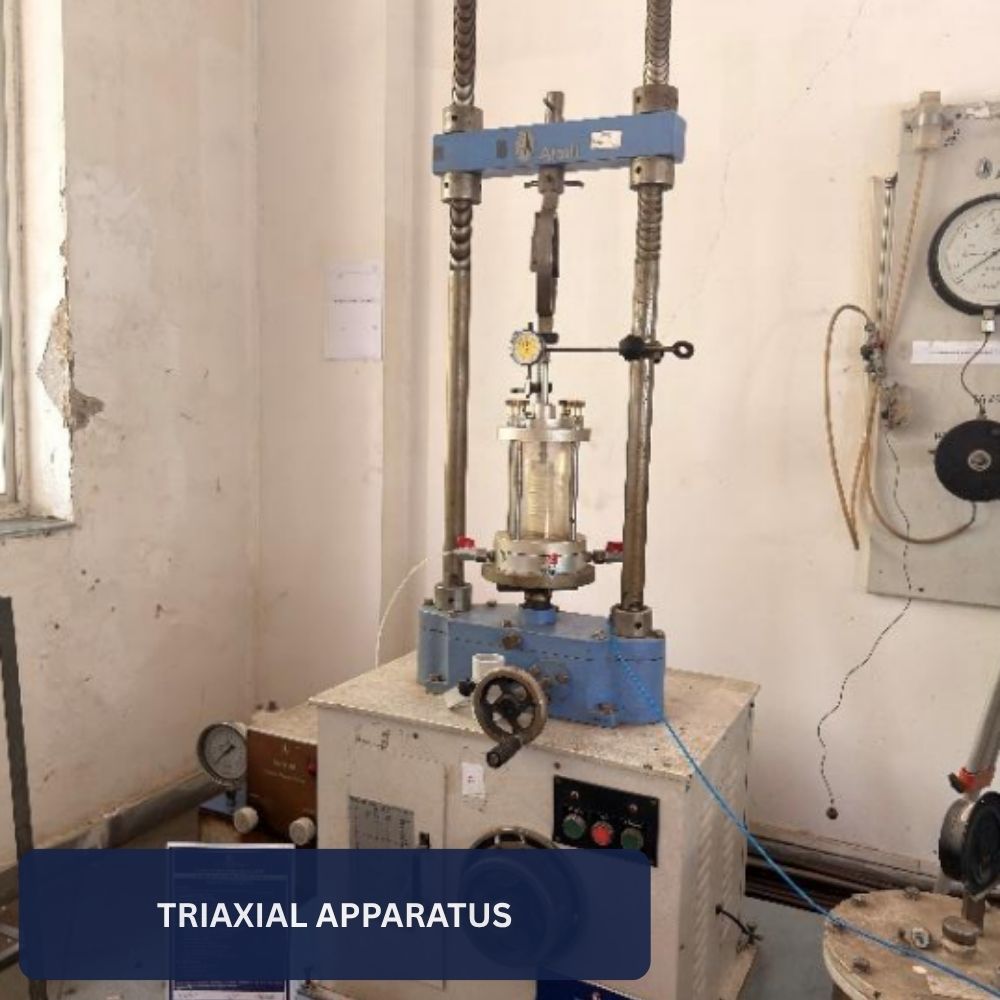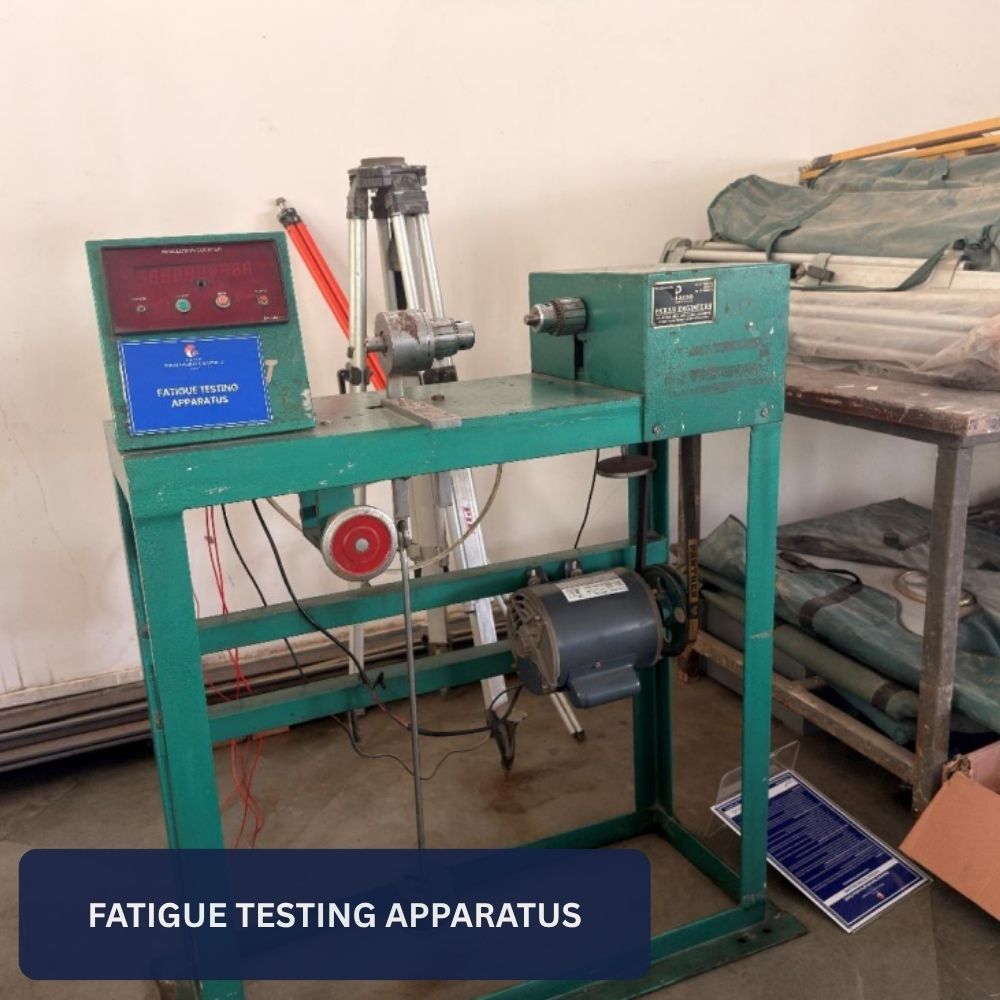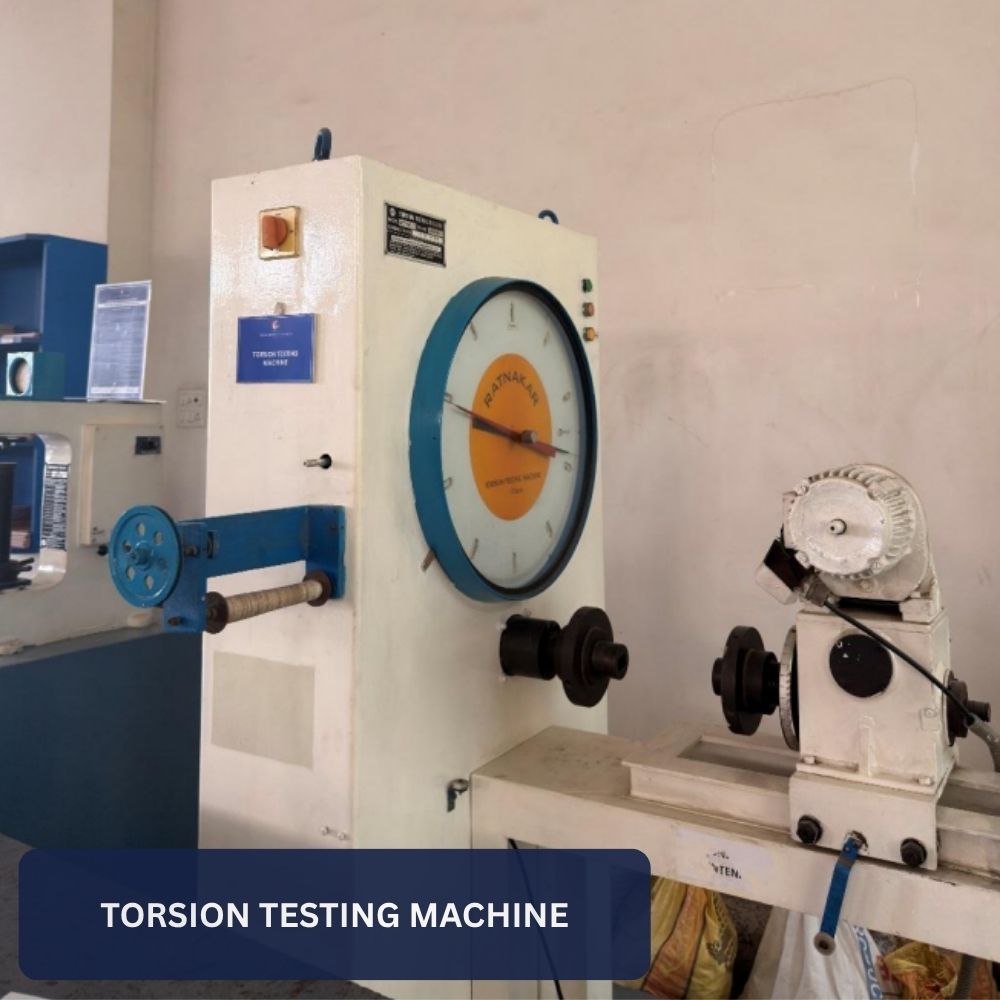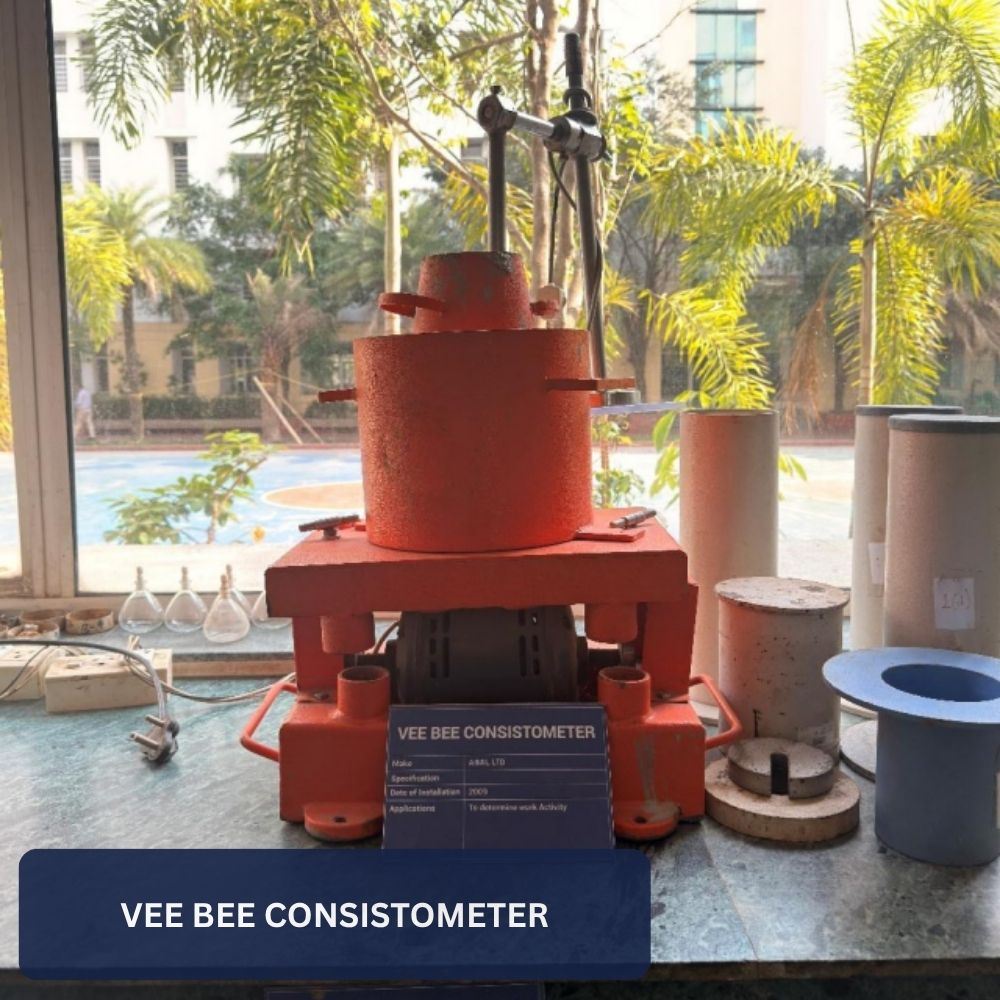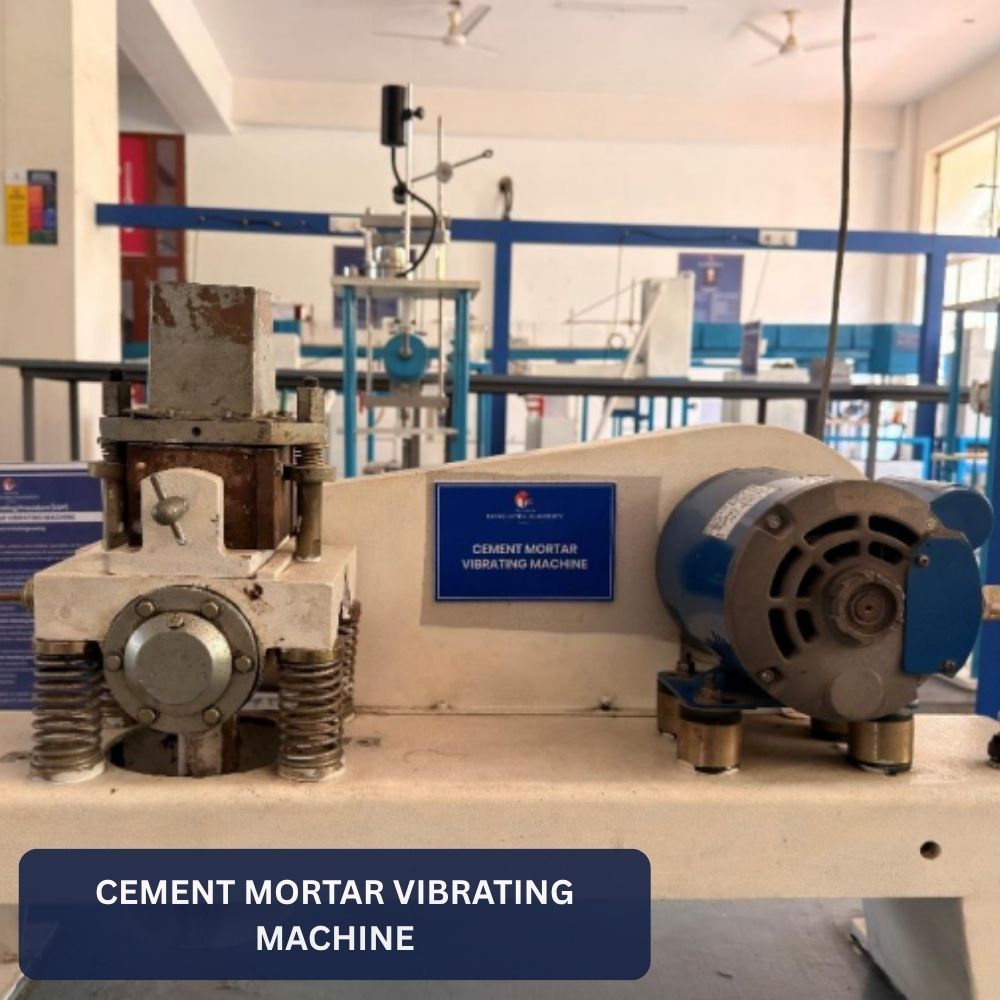


The laboratories are extensively utilised by undergraduate and postgraduate students for laboratory courses, mini projects, major projects, researchoriented activities. These facilities enable students to design, analyse, test, and simulate structural, material, geotechnical, fluid mechanics and environmental systems, thereby strengthening practical competence, analytical ability, and problemsolving skills.
The laboratories are supported by qualified and experienced faculty and technical staff who assist in the conduct of experiments, preparation of laboratory setups, equipment handling, and implementation of safety procedures. The department follows a systematic approach for equipment inventory management, calibration, preventive maintenance, and periodic upgradation, ensuring continuous availability and effective utilisation of resources.
Appropriate safety measures, housekeeping practices, and waste management procedures are implemented to provide a safe, clean, and conducive learning environment. Overall, the laboratory and infrastructure facilities of the Department of Civil Engineering effectively support academic delivery, research, skill development, and continuous improvement.
Lab Activities Includes
- Fresh concrete, soil, aggregate, rock, cement, water & asphalt sampling
- Testing of concrete repair
-
Concrete durability tests:
- Water absorption
- Water penetration under pressure
- Initial surface absorption
- Rapid chloride permeability
- Chloride migration coefficient
- Particle size distribution by wet/dry sieve analysis
- Chloride & sulphate content in the soil, aggregate, concrete & water
- Particle size distribution by hydrometer analysis
- Cover meter survey
- Cement testing (physical & chemical testing)
- Aggregate resistance to abrasion & impact
- Concrete & asphalt mix design & laboratory trial mix
- Relative density & water absorption of aggregate & rock samples
-
Asphalt testing:
- Core density & asphalt field compaction
- Marshal density, stability & flow
- Lightweight pieces, shell content, clay lumps & friable particles in the aggregate sample
-
Soil testing:
- Shrinkage limit
- Plastic limit
- Liquid limit and plasticity index
- Loss of ignition
- Soil shear strength parameters by using a direct shear test
- Water permeability of granular soil & clays/silt
- Free swell of soil
- Rock grading and weight classification, breakage index, L/D ratio
- Rock resistance to weathering
- Fresh concrete testing
- Point load index
- Bulk density of lightweight aggregate
- Water absorption of concrete blocks, channels & flags
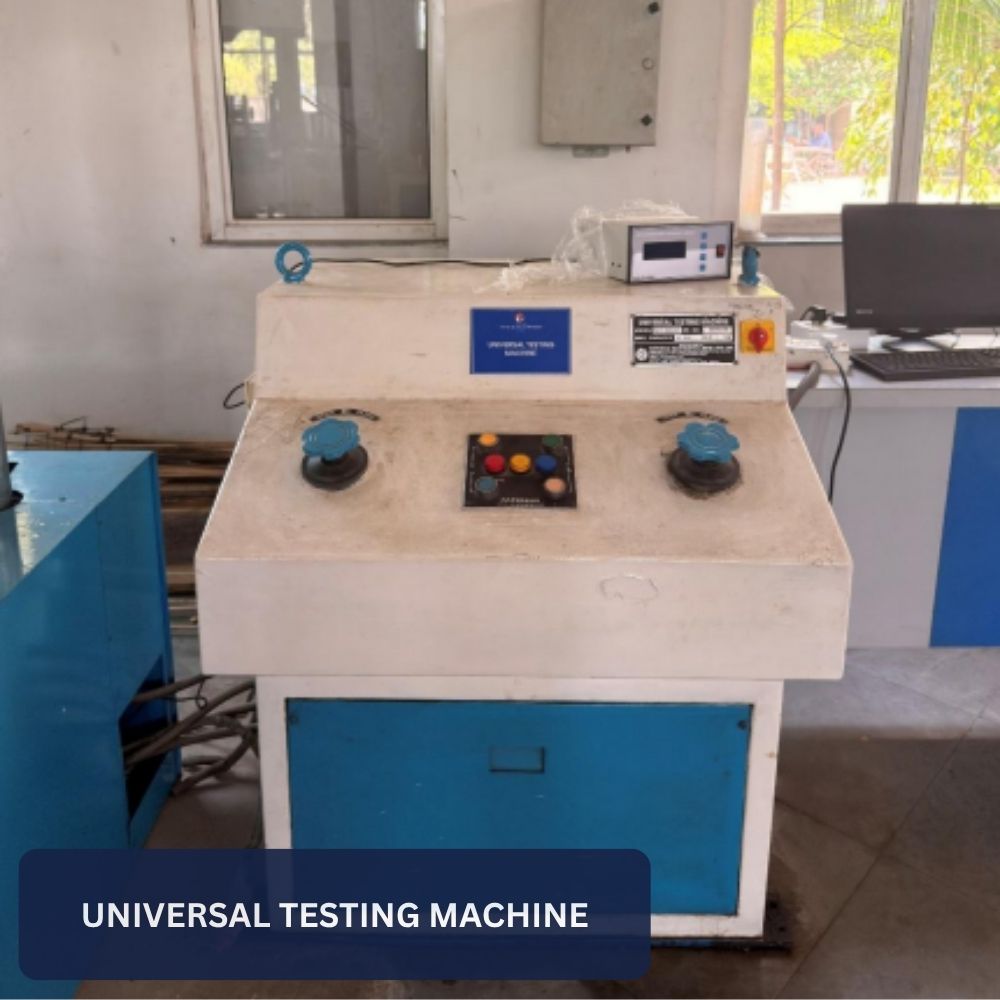
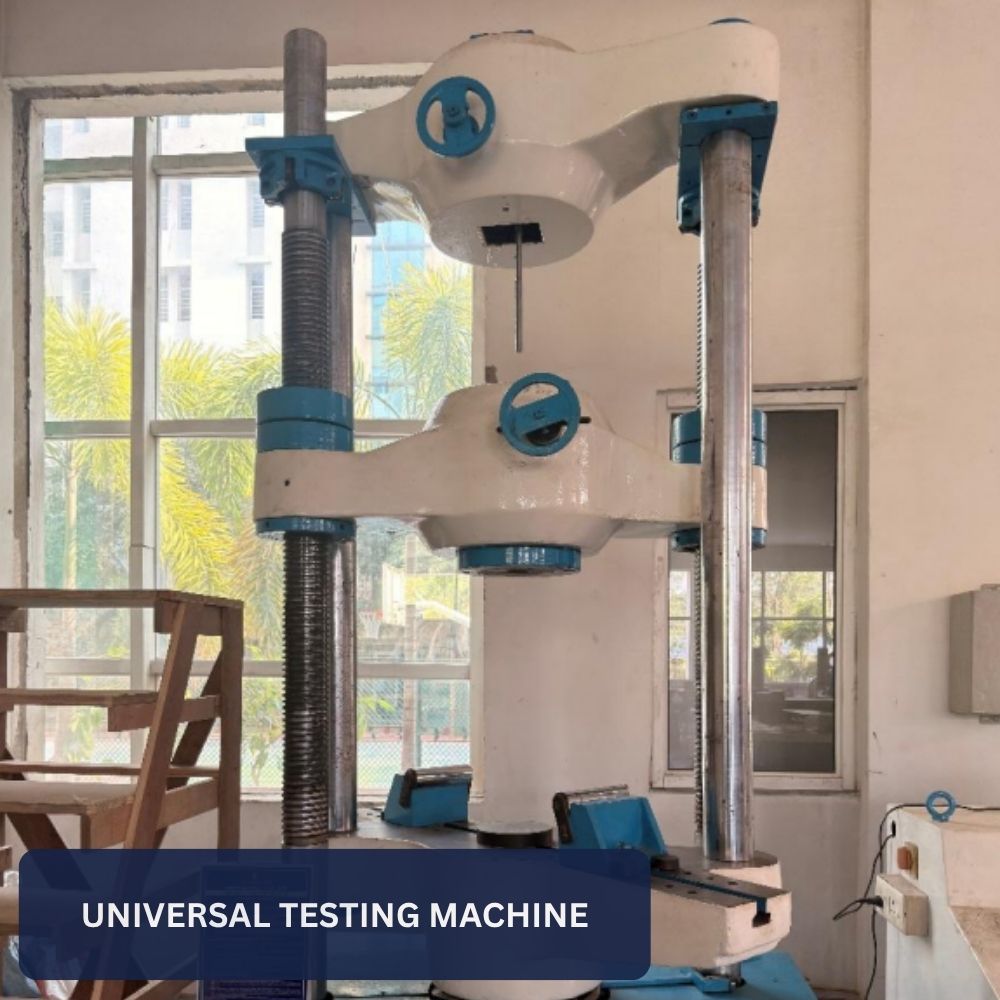
- Compressive strength of concrete cubes, cylindrical specimens, precast blocks & tiles
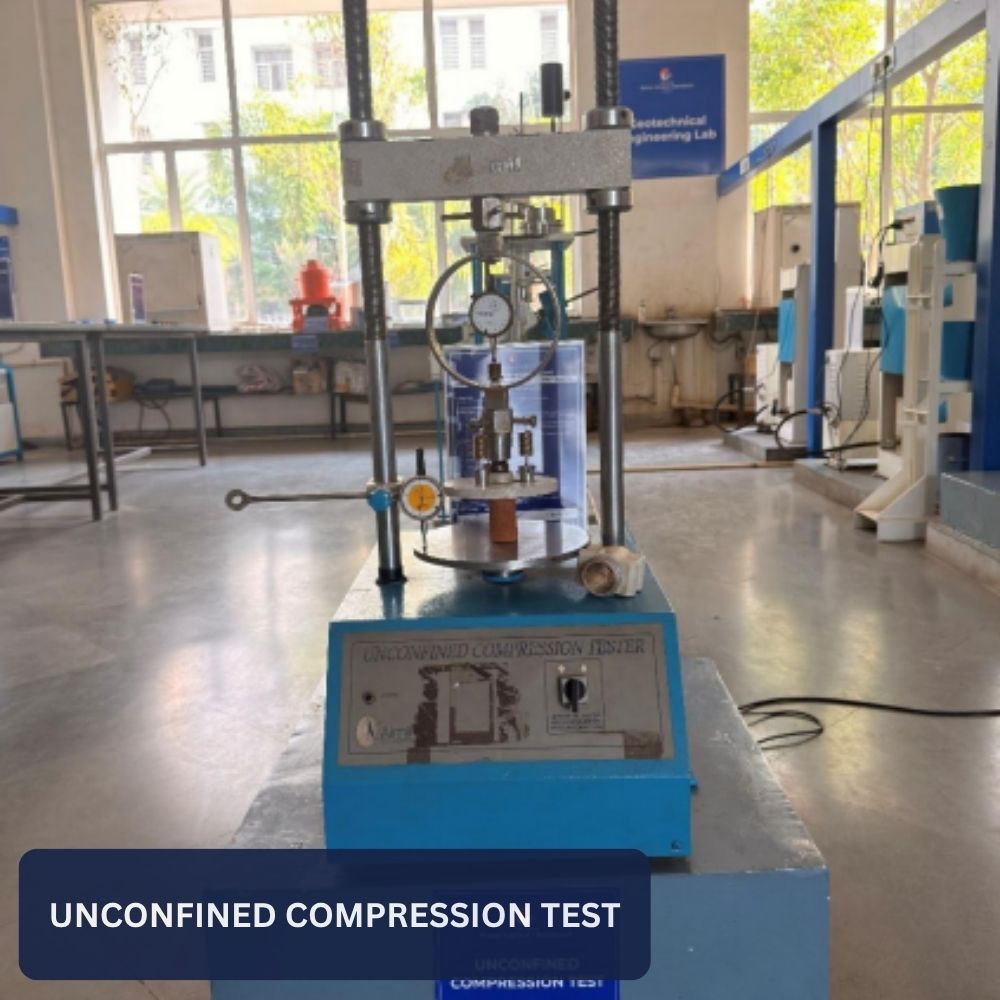
- Unconfined compressive strength of rock & soil
- Obtaining & testing of drilled concrete core
Lab Equipments